고정 헤더 영역
상세 컨텐츠
본문
Certainly! Here's a comprehensive article on motor insurance.
---
# Understanding Motor Insurance: Your Comprehensive Guide
Motor insurance, often referred to as auto insurance or car insurance, is a vital aspect of vehicle ownership that provides financial protection and peace of mind to drivers and vehicle owners. This comprehensive guide will walk you through the essential aspects of motor insurance, including its importance, types, coverage options, and tips for making informed decisions.
## The Importance of Motor Insurance
### Legal Requirement
In most countries, having motor insurance is a legal requirement. It is mandatory to have at least a minimum level of coverage to operate a vehicle on public roads. Failing to comply with these regulations can result in fines, license suspension, or even the impoundment of your vehicle.
### Financial Protection
Motor insurance provides financial protection in case of accidents, theft, or damage to your vehicle. Without insurance, you would be personally responsible for the expenses incurred due to such incidents, which can be substantial.
### Peace of Mind
Having motor insurance offers peace of mind to vehicle owners. Knowing that you are covered in case of unexpected events can reduce stress and anxiety associated with driving.
## Types of Motor Insurance

There are several types of motor insurance policies available, each offering different levels of coverage. Here are the most common types:
### 1. Third-Party Liability Insurance
This is the minimum coverage required by law in many countries. It covers damage or injury caused to others by your vehicle. However, it doesn't cover damage to your own vehicle.
### 2. Comprehensive Insurance
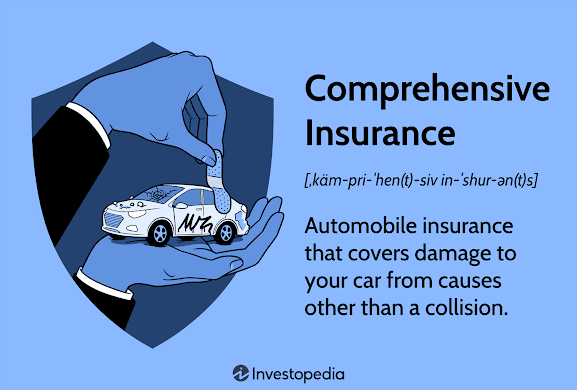
Comprehensive insurance provides coverage for damage to your own vehicle in addition to liability coverage. It offers protection against accidents, theft, vandalism, and various other risks.
### 3. Collision Insurance
Collision insurance specifically covers damages resulting from collisions with other vehicles or objects, regardless of who is at fault.
### 4. Uninsured/Underinsured Motorist Coverage
This type of insurance provides protection if you're involved in an accident with a driver who has little or no insurance.
### 5. Personal Injury Protection (PIP)
PIP insurance covers medical expenses and lost wages for you and your passengers in the event of an accident, regardless of fault.
## Coverage Options
When choosing a motor insurance policy, you have the flexibility to select the coverage options that suit your needs. Common coverage options include:
### 1. Deductible
You can choose the amount of money you're willing to pay out of pocket before your insurance coverage kicks in. A higher deductible usually results in lower premiums.
### 2. Limits
You can select the maximum amount your insurance policy will pay in the event of a claim. Higher limits offer greater protection but come with higher premiums.
### 3. Additional Riders
Many insurance companies offer optional riders that can provide coverage for specific scenarios, such as roadside assistance, rental car reimbursement, or coverage for custom vehicle accessories.
## Factors Affecting Premiums
Several factors can impact the cost of your motor insurance premiums, including:
### 1. Vehicle Type
The make and model of your vehicle can significantly affect your insurance premium. High-performance or luxury vehicles often come with higher insurance costs.
### 2. Driving Record
Your driving history, including accidents and traffic violations, plays a significant role in determining your premium. Safe drivers generally pay lower rates.
### 3. Location
Your location can affect insurance costs due to factors like crime rates, traffic congestion, and weather conditions.
### 4. Age and Gender
Younger and less experienced drivers typically pay higher premiums. Gender can also be a factor, with some insurers charging different rates based on gender.
### 5. Credit Score
In some regions, your credit score can impact your insurance premium. A lower credit score may result in higher rates.
## Tips for Making Informed Decisions
Here are some tips to help you make informed decisions when it comes to motor insurance:
### 1. Shop Around
Don't settle for the first insurance quote you receive. Compare rates and coverage options from multiple insurance providers to find the best deal.
### 2. Understand Your Needs
Assess your specific needs and choose coverage that aligns with your circumstances. You may not need the same coverage as someone else.
### 3. Consider Discounts
Many insurers offer discounts for various reasons, such as safe driving records, bundling multiple policies, or installing safety features in your vehicle.
### 4. Read the Fine Print
Review your insurance policy carefully to understand its terms, conditions, and exclusions. It's crucial to know what's covered and what's not.
### 5. Review and Adjust Annually
Your insurance needs may change over time. Periodically review your policy and adjust it to reflect any changes in your life or vehicle.
In conclusion, motor insurance is a critical aspect of responsible vehicle ownership. It not only provides financial protection but also ensures compliance with legal requirements. By understanding the various types of insurance, coverage options, and the factors that influence premiums, you can make informed decisions and secure the right protection for your vehicle.
Remember, your motor insurance policy is a safeguard against unexpected events on the road. So, choose wisely and drive with confidence, knowing you're covered.


